Filtration

Water Filter iSpring

Compare reverse osmosis, countertop, and whole-house iSpring filtration in one place. Use capacity, stages, and certifications to match a system to your water and the job you need done.
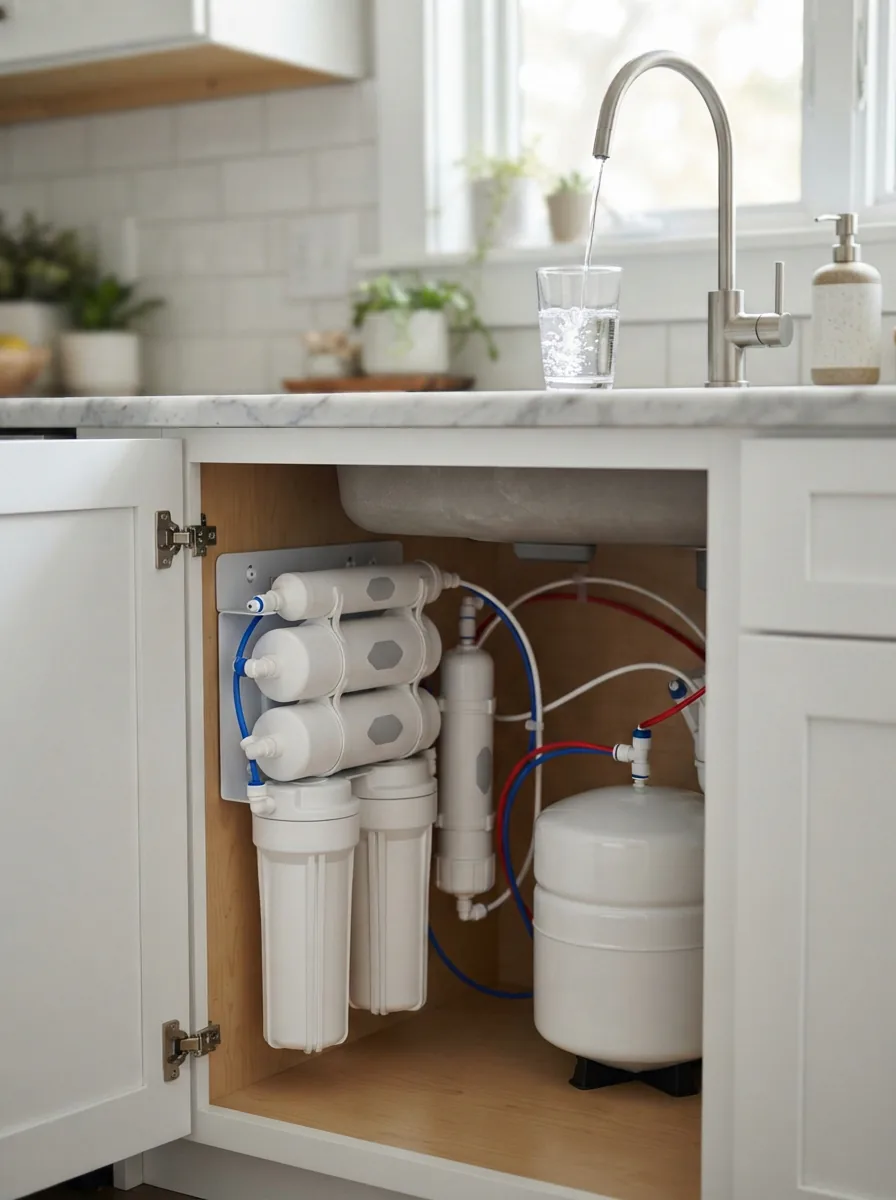
Undersink reverse osmosis water filter system with white filter housings and blue tubing installed in an open kitchen cabinet, with a glass of clear water on the counter above
New to the range

Six reverse osmosis options, side by side

iSpring RCC7AK undersink reverse osmosis system with white filter housings, storage tank and alkaline cartridge mounted inside an open kitchen cabinet

iSpring RCC7AK Undersink Reverse Osmosis System with Alkaline Remineralization, 75 GPD

Built for kitchens that want clean-tasting drinking water without stripping minerals, this undersink system runs at 75 gallons per day and finishes with an alkaline filter that remineralizes water and raises pH. NSF-certified components make it a steady choice for families comparing a dependable, well-documented setup.
iSpring RO10001F compact tankless reverse osmosis water filter unit on a light kitchen counter with a brushed dispensing faucet

iSpring RO10001F Tankless Reverse Osmosis Water Filter, 1000 GPD with 3:1 Pure to Drain

When cabinet room is tight, an all-in-one tankless design removes the storage tank entirely. At 1000 gallons per day with a 3:1 pure-to-drain ratio, it keeps pace with busy households and cooking, and the efficient ratio sends less water to the drain per glass than many standard reverse osmosis setups.
iSpring RO500AK-BN+UVF8 tankless reverse osmosis system with alkaline cartridge and slim UV chamber connected by blue tubing under a kitchen sink

iSpring RO500AK-BN+UVF8 Tankless RO System with Alkaline and UV Protection, 500 GPD

This tankless system pairs 500 gallons per day with two extras buyers often add later: an alkaline filter for remineralization and a UV stage for an added layer of protection at the point of use. It suits homes that want one compact unit covering taste, pH, and peace of mind.
iSpring RCC2AK-UV undersink reverse osmosis system with six vertical filter cartridges, UV chamber and storage tank inside an open white cabinet

iSpring RCC2AK-UV Undersink Reverse Osmosis System with Alkaline and UV Filter, 200 GPD

A step up from a basic undersink RO, this 200-gallon-per-day system adds both alkaline remineralization and a UV filter, so water is improved for taste and given an extra layer of treatment before it reaches the glass. A good fit for households that want more than sediment and chlorine reduction.
iSpring RCD100HCG countertop reverse osmosis hot and cold water dispenser with a filled glass in its alcove on a marble kitchen counter

iSpring RCD100HCG Countertop Reverse Osmosis System with Alkaline Filter, Hot and Cold Water

Renters and small kitchens get reverse osmosis without a plumbing project. This countertop unit delivers both hot and cold water and finishes with an alkaline filter that remineralizes for taste, so one appliance can cover drinking water, cooking, and hot drinks straight from the counter.
iSpring RCD100UHCG countertop reverse osmosis dispenser with attached UV filter tube and two glasses beneath its hot and cold taps on a wooden counter

iSpring RCD100UHCG Countertop Reverse Osmosis System with Alkaline and UV, Hot and Cold

The same countertop convenience with a UV filter added alongside the alkaline stage. Hot and cold water on demand, pH remineralization for taste, and an extra layer of protection make it useful for households on well water or anyone wanting more assurance from a countertop system.
Five-stage under-sink reverse osmosis water filter system with white filter housings and storage tank installed in a basement utility cabinet beside copper well plumbing

NSF Certified 5-Stage Reverse Osmosis Water Filter System for Well Water, Reduces PFAS and Lead

Designed specifically for well water, this five-stage reverse osmosis system targets the impurities those households actually face, reducing PFAS, chloramine, lead, fluoride, and total dissolved solids. If your water comes from a private well rather than a municipal line, this is the configuration to compare first.
Proven performers

Whole-house and pump-assisted picks

Whole-house water filter system with two tall black media tanks and a control valve connected to copper plumbing on a basement utility wall

Ultimate Protection Whole House Water Filter System, Reduces Scale, Lead, PFAS and Chlorine

Point-of-entry protection means every tap in the house benefits, not just the kitchen sink. This whole-house system is built to reduce scale, lead, PFAS, chloramine, and up to 99% of chlorine, protecting fixtures and appliances while improving water for showers, laundry, and cooking.
iSpring WCFM400K single-tank whole-house iron and manganese filter with a digital control head mounted between copper pipe runs in a basement

iSpring WCFM400K Whole House Iron and Manganese Filter with Automatic Digital Regeneration

Iron and manganese show up as staining, metallic taste, and sediment, and they need more than a basic carbon block. The set-and-forget digital valve runs regeneration automatically with air injection, and the 26 GPM flow rating supports whole-home coverage in larger households.
iSpring RCC7P-AK six-stage undersink reverse osmosis system with booster pump, vertical filter cartridges and storage tank inside an open kitchen cabinet

iSpring RCC7P-AK 6-Stage Under Sink Reverse Osmosis System with Alkaline and Booster Pump

Low water pressure is a common reason reverse osmosis underperforms. This six-stage undersink system includes a built-in booster pump to hold pressure steady, plus alkaline remineralization, making it a strong match for homes that want consistent flow and better-tasting drinking water.
Bright modern home interior showing a kitchen sink with clean dishes drying, a clear pitcher of water, and a glimpse of a laundry area, representing household water use

Who these systems are really for

Filtration choices differ by water source and setup. Municipal homes often focus on taste and scale, well households on iron and contaminants, and small spaces on convenience. Weigh the result you want against the install you accept.

Homeowners on municipal water

Municipal water is treated but often still carries chlorine taste and odor. An undersink or whole-house system removes what remains, and the everyday payoff shows up in better-tasting water and fewer spots on dishes.

Households on private well water

Well water varies from property to property, so the goal is matching the system to what your water actually contains. Look for stages targeting sediment, iron, manganese, or PFAS, and confirm flow keeps up with the house.

Renters and small kitchens

If you rent or have limited cabinet space, a countertop reverse osmosis unit delivers hot and cold filtered water without permanent plumbing. It is a practical first step before committing to an installed system.

How to compare iSpring filtration systems

Daily output and household size

Gallons-per-day ratings show whether a system keeps up with your household. Undersink units run 75 to 200 GPD, tankless models reach 500 to 1000, and whole-house units are rated in gallons per minute.

Stages, certifications, and what they reduce

More stages do not automatically mean better water; they mean more specific targets. Alkaline remineralization adds minerals back for taste, and UV adds a protection layer. Check certifications before comparing price.

Installation type and space available

Countertop units need a plug and counter space; undersink systems need cabinet room and a faucet line; whole-house systems sit at the main water line. Match the install to your home first.

Choose your filtration path

The category splits by where water is treated: at a single tap, on the counter, or at the main line. Start with the problem you are solving — taste, scale, iron — then narrow by installation and flow.

Undersink reverse osmosis

The standard choice for a dedicated drinking-water tap. A storage tank holds filtered water on demand, daily output runs near 75 to 200 gallons, and optional alkaline stages restore minerals.

Tankless reverse osmosis

No tank means a slimmer footprint and higher output, often 500 to 1000 gallons per day. Look also at the pure-to-drain ratio, which tells you how much water is used per gallon of filtered water.

Countertop hot and cold

For renters or kitchens where plumbing changes are not an option, a countertop unit filters on demand and can deliver both hot and cold water. Alkaline versions remineralize for taste.

Whole-house point-of-entry

Point-of-entry systems treat water before it reaches any tap, addressing chlorine, scale, sediment, iron, or manganese across showers, laundry, and appliances. Flow rating is the spec to compare.

Well water configurations

Private wells often carry impurities municipal lines do not, including PFAS, chloramine, iron, and manganese. Look for configurations built for those contaminants, not a general-purpose filter.
Four water filtration configurations arranged on a light studio surface: a tankless reverse osmosis unit, an undersink system with tank, a countertop dispenser and a whole-house media tank
What buyers report

Experiences from households like yours

We were buying cases of bottled water every month and finally decided to compare undersink systems. Installing took an afternoon, and within a week we stopped buying bottles. The difference in taste was obvious to everyone in the house.
Decorative customer review avatar icon 1
Maya R.
Undersink RO replaced bottled water at home
Our water comes from a private well, so taste alone was never the whole story. I spent weeks comparing UV and alkaline options before settling on a setup with both. Knowing the water is treated twice gives me real peace of mind.
Decorative customer review avatar icon 2
Derek H.
Well water household comparing UV options
I rent, so drilling into cabinets was never an option. A countertop unit gave me hot and cold filtered water without a permanent install, and it sits neatly next to the kettle. Setup took minutes rather than hours.
Decorative customer review avatar icon 3
Priya S.
Countertop RO in a rental kitchen
Scale on our faucets and spotty glasses were the tell. Adding whole-house filtration meant every tap improved, and dishes come out cleaner. I noticed the change most in the shower within the first few weeks of running it.
Decorative customer review avatar icon 4
Tom W.
Whole-house system for hard water
I did not know the difference between stages, GPD, and remineralization when I started. Reading how each factor changes suitability narrowed it to two options instead of dozens, and I felt confident about the decision at checkout.
Decorative customer review avatar icon 5
Elena G.
First-time buyer, guidance mattered

Common filter questions

Short answers to the questions buyers ask when comparing reverse osmosis and whole-house options for the first time.
Reverse osmosis systems treat water at one point, usually an undersink or countertop tap, and focus on drinking water. Whole-house systems treat everything at the main line, covering showers, laundry and appliances.
RO can remove beneficial minerals along with impurities, which changes the taste. An alkaline remineralization stage adds minerals back and adjusts pH, and many iSpring systems include it as a final filter.
A UV stage adds a layer of protection at the point of use and is often chosen by households on well water. If your concern is mainly taste, chlorine, or sediment, an alkaline RO system may fit better.
Check the pure-to-drain ratio. A 3:1 ratio means three gallons of filtered water for every gallon sent to the drain, more efficient than many standard setups, which matters if water cost is a concern.
Start with what is in your water — chlorine and scale, or iron and manganese from a well — then match the system to that need. Flow rating in gallons per minute shows whether it keeps up with demand.
Open kitchen cabinet showing an undersink reverse osmosis water filter system beside a printed comparison sheet and a glass of clear water on the counter

See how owners put these systems to work

Installation walkthroughs, maintenance schedules, and real-world results add a second layer beyond specs. If you are deciding between two systems, seeing how a similar household set theirs up often settles the question.
Under-sink reverse osmosis water filtration system with stacked filter housings and blue tubing beside a faucet pouring clear water into a glass

iSpring Water Filter

Compare iSpring reverse osmosis drinking systems, whole-house filters, and softening options to match your water problem, household size, and installation space with certified models.

Modern kitchen scene with clear drinking water poured into a glass beside an undersink reverse osmosis unit and a whole-house filter housing

iSpring Water Systems

Compare iSpring reverse osmosis drinking systems, whole-house filters, and softening setups side by side, then match capacity, stage count, and coverage to your water and your home.
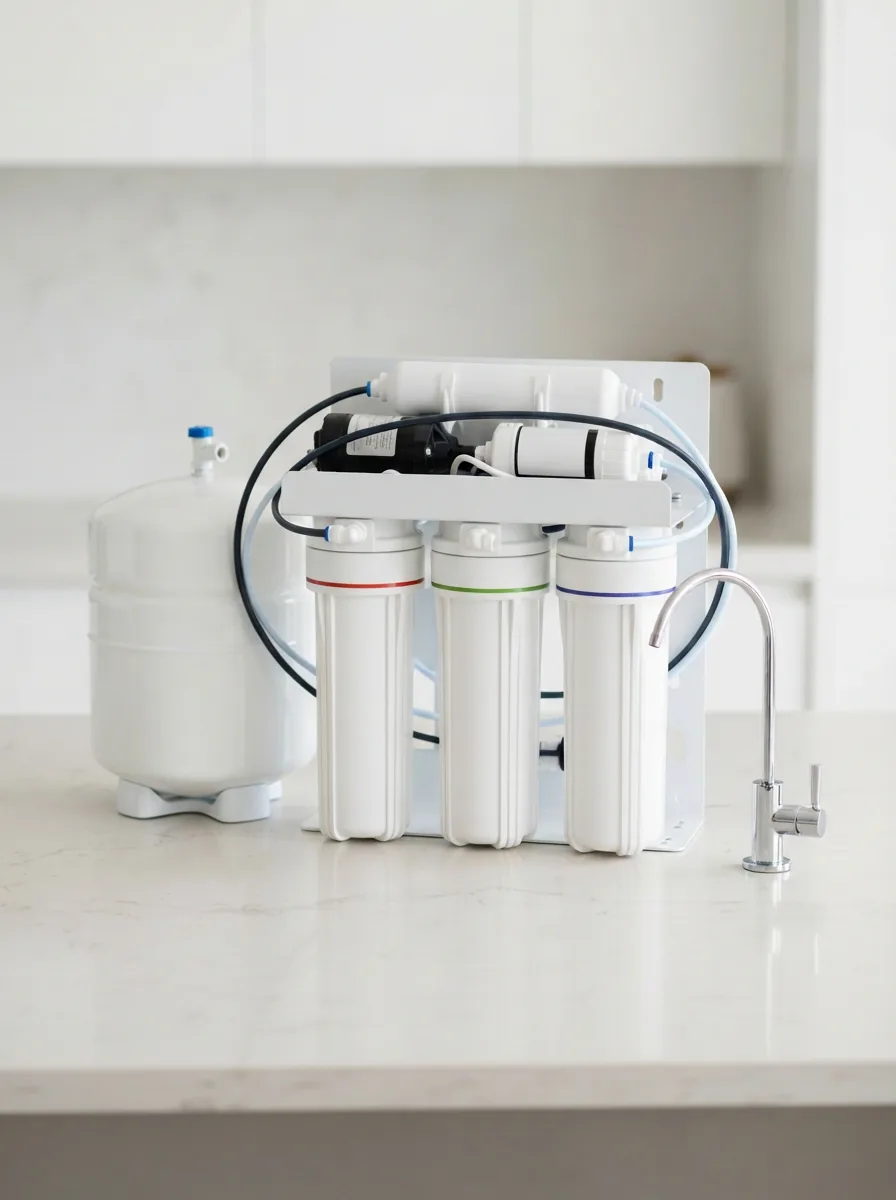
The iSpring RCC7AK six-stage under-sink reverse osmosis system with white filter housings, storage tank, tubing and faucet on a light countertop

iSpring Rcc7ak

The iSpring RCC7AK is an NSF/ANSI 58 certified 6-stage reverse osmosis system that remineralizes water for superb-tasting drinking water.