Clean Water

iSpring Water Filtration System

Compare whole-house filters, under-sink reverse osmosis, and softening systems side by side, then match certifications, flow, and target contaminants to the water problem you have at home.
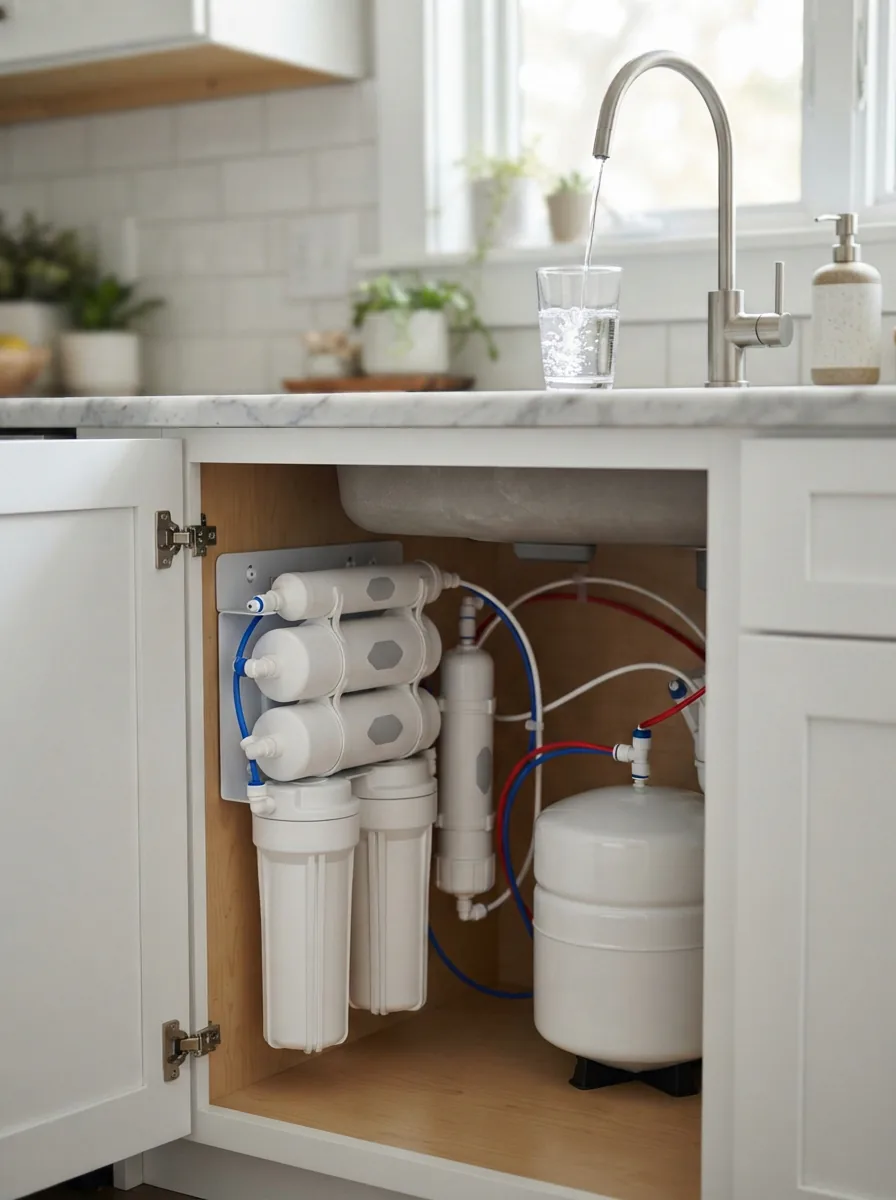
Clear water flowing from a modern kitchen faucet into a glass, with an undersink water filtration unit visible inside the open cabinet below.
New to the iSpring Lineup

Six Systems That Solve Different Water Problems

A five-stage undersink reverse osmosis water filtration system with white filter housings and a storage tank installed under a kitchen sink.

iSpring 5-Stage Reverse Osmosis System for Pure-Tasting Drinking Water at the Sink

For homes focused on the kitchen tap, this five-stage reverse osmosis setup runs water through sediment and carbon stages plus an RO membrane, reducing a wide range of impurities that affect taste and odor. Households often notice better-tasting drinking water and cleaner ice without treating the whole plumbing run.
A whole house water filter system with large blue filter housings mounted on a basement utility wall next to copper plumbing.

iSpring Whole House Water Filter System for Filtered Water at Every Tap in Your Home

Treating water where it enters the home, this whole-house system sends filtered water to every faucet, showerhead and appliance, with an emphasis on reducing chlorine and other unwanted substances. It fits households that want consistent water quality for laundry, bathing and cooking rather than a single drinking point.
A compact three-stage undersink water filter system with three white filter cartridges mounted inside a kitchen sink cabinet.

iSpring 3-Stage Under Sink Water Filter System with Fast Flow for Daily Drinking Water

Where cabinet space is limited, this compact three-stage undersink unit is built for speed as much as filtration. The design keeps a high flow rate at the faucet, so filling a kettle or a pot of pasta does not feel slow, which suits busy kitchens that want clean drinking water without a bulky tank.
A six-stage reverse osmososis water system with white filter housings, a remineralization cartridge and a storage tank under a kitchen sink.

NSF-Certified 6-Stage Reverse Osmosis System with Alkaline Remineralization for Home Drinking Water

This six-stage reverse osmosis system adds an alkaline remineralization stage after the membrane, restoring minerals that polish taste for households that find plain RO water too flat. Independent certification and broad reduction claims covering PFAS, fluoride, chromium, lead and TDS make it a strong fit for buyers who read the fine print.
A black five-stage reverse osmosos water filter system designed for well water, installed under a sink with filter housings and a storage tank.

NSF-Certified 5-Stage Reverse Osmosis System for Well Water and Tougher Contaminants

Well water brings a different challenge, and this black five-stage reverse osmosis unit is specified for it, with reduction claims that include PFAS, chloramine, lead, fluoride and TDS. Households drawing from a private well often need exactly that broader coverage rather than a basic carbon setup built for city water.
A three-stage whole house water filter system with three clear and blue housings mounted on a basement water line.

iSpring 3-Stage Whole House System Reducing Sediment, Taste, Odor and Up to 99% Chlorine

A reliable starting point for whole-home filtration, this three-stage system tackles sediment, rust and taste and odor, with a stated reduction of up to 99% chlorine. Families on municipal supply often choose it to protect fixtures and appliances while improving the water in every shower and tap.
An ultimate protection whole house water filtration system with multiple large housings installed on a home's main water line in a utility room.

Ultimate Protection Whole House System for Scale, Lead, PFAS and Chloramine Reduction

Sitting at the top of the whole-house range, this system is specified for a broader set of concerns than basic carbon alone, including scale, lead, PFAS, chloramine and up to 99% chlorine. Larger households, hard water properties and buyers with multiple contaminants to address tend to land here, since one point-of-entry installation covers every faucet, shower and appliance in the home.
Built for Daily Household Use

Three Proven Setups for Heavy-Duty Household Filtering

A heavy duty two-stage undersink water filtration system with two large white filter housings inside a sink cabinet.

iSpring US21B Heavy Duty 2-Stage Undersink System for Continuous On-Demand Filtered Water

Built around oversized ten-inch by four-and-a-half-inch filters, this heavy-duty two-stage undersink system prioritizes steady on-demand flow and durable components over complexity. It suits renters, older kitchens and anyone who wants straightforward filtered water at the sink without a storage tank or complicated install.
A three-stage whole house water filtration system installed on a main water line in a laundry room with a washing machine nearby.

iSpring WCB32C 3-Stage Whole House System Protecting Family and Appliances from Sediment

Plumbed in at the main line, this three-stage whole-house system is aimed at protection as much as taste, reducing sediment, rust and up to 99% chlorine before water reaches washing machines, water heaters and fixtures. Households noticing scale or sediment in aerators often see the difference within weeks.
A central whole house water filtration system with a large blue tank-style housing containing KDF and carbon media, mounted near a water meter.

iSpring WCF200K Elite Series Central System with KDF55 and Activated Carbon Media

The Elite Series central system combines KDF55 media with activated carbon to reduce chlorine, lead and heavy metals across the whole house. Buyers comparing media types rather than basic carbon alone tend to choose it when the goal is broad, ongoing reduction at the point of entry for larger households.
A bright family kitchen where one adult fills a glass of water at the sink while a child sets the table, with filtration equipment installed nearby.

Where Whole-Home and Drinking Water Needs Differ

This category serves homeowners tackling scale and hard water, households on private wells, and buyers who simply want better tasting water at the sink. The result worth weighing is coverage: what improves for showers and appliances, and what actually changes in the glass you drink from.

Hard Water and Scale Around the House

Scale shows up long before anyone tastes it: white film on fixtures, stiff laundry and appliances working harder than they should. Point-of-entry filtration addresses those symptoms at once, which is why households with hard water often notice the biggest practical gain across the whole home.

Households on Well Water

Well owners deal with variability, since sediment and metals differ between properties and seasons. Systems specified with reduction claims for PFAS, chloramine, lead and fluoride give this group a clearer target than generic carbon filters built for municipal chlorine levels.

Compact Kitchen Drinking Water Setups

Renters, older kitchens and small cabinets rarely suit a large tank-based system. Slim undersink filters deliver filtered water at a dedicated faucet with minimal footprint, making them a sensible first step when the goal is simply better drinking and cooking water.

What to Compare Before You Choose

Water Source: City, Well, or Mixed Supply

Municipal water and well water present different loads. City supplies usually call for chlorine and taste control, while wells more often bring sediment, iron or heavier contaminants that a standard carbon stage may not fully address.

Coverage: Whole House vs. One Tap

Point-of-entry systems treat water for every faucet, shower and appliance, while reverse osmosis units polish a single drinking tap. Some homes benefit from both: whole-house filtration upstream, drinking polish downstream.

Certifications and Contaminant Targets

Certifications and stated reduction rates tell you what a system is built to handle, such as up to 99% chlorine or specific PFAS and lead claims. Match those claims to your water report before comparing price or flow rate.

Find Your System Type

The range splits by where water is treated. Whole-house systems handle sediment and chlorine at the entry point, reverse osmosis units polish a single drinking tap, and remineralization stages restore minerals for taste.

Whole-House Sediment and Chlorine Reduction

Point-of-entry systems target what affects daily life across the home: sediment, rust, chlorine, taste and odor. Choose this direction when showers, laundry and appliances matter as much as the water you drink, and you want one filter set serving the entire plumbing run.

Reverse Osmosis Drinking Water Systems

RO units concentrate their work at one faucet, pushing water through a membrane that removes a broad range of dissolved impurities. This direction fits households that mainly want better-tasting drinking and cooking water and do not need every shower treated.

Alkaline Remineralization Stages

Some reverse osmosis setups add a remineralization stage that puts minerals back into the water. Consider it when flat-tasting filtered water is a concern, since the added minerals round out flavor and adjust alkalinity for drinking.

Well Water and Heavier Contaminant Loads

Private wells often carry sediment, chloramine, PFAS or metals that standard city-water setups are not specified for. Look for systems with reduction claims matching your water test, since well water varies more from one property to the next.

Heavy-Duty and Compact Undersink Setups

Undersink filters range from two-stage heavy-duty housings to slim three-stage units. Larger housings favor steady flow and longer service intervals, while compact models suit tight cabinets and lighter daily use at a single drinking faucet.
A utility room wall showing a whole-house water filtration manifold beside a kitchen scene with an undersink reverse osmosis unit, illustrating the category range.
In Homeowners' Own Words

What Buying and Living With These Systems Feels Like

We had been fighting cloudy water and scale for years. After adding a whole-house system at the main line, the difference showed up quickly in the shower glass and in the kettle. I am still learning the maintenance schedule, but the house genuinely feels cleaner overall.
Decorative customer review avatar icon 1
Marla K.
Whole-house upgrade on hard well water
I put off buying for months because the terminology confused me. Reading about sediment stages versus the membrane finally made it click. Installation took an afternoon, and the water now tastes noticeably cleaner. I just keep reminding myself to order replacement filters on a schedule.
Decorative customer review avatar icon 2
Devon R.
First-time undersink reverse osmosis buyer
The spots on our glasses were the tell. Once we filtered at the entry point, the dishwasher results improved within a few weeks and the fixtures stopped looking chalky. It was less about taste for us and more about protecting the appliances we had just replaced.
Decorative customer review avatar icon 3
Priya S.
Noticed scale on dishes before filtering
I compared reduction claims and certification details before anything else, and that narrowed the field fast. Independent testing videos helped me understand what actually changes at the tap. The right choice was less expensive than I expected once I stopped paying for features I did not need.
Decorative customer review avatar icon 4
Curtis L.
Shopped certifications and independent reviews
Space was the deciding factor in our rental. A compact undersink unit fit beside the cleaning supplies without a fight, and filling a glass no longer takes forever. I appreciate having cleaner tasting water without a major renovation to worry about at move-out.
Decorative customer review avatar icon 5
Jenna M.
Compact setup for a small rented kitchen

Common Buying Questions

A few practical questions come up again and again when homeowners weigh whole-house filtration against reverse osmosis. The answers below cover coverage, certification, replacement effort and the trade-offs worth thinking about.
A whole-house system treats water for every faucet and appliance, which helps with showering, laundry and scale. An undersink reverse osmosis unit polishes drinking water at one tap. Many homes use both when tap water already feels acceptable.
Start with what your supply actually carries. Chlorine and taste are common municipal concerns, while sediment, iron, PFAS and heavy metals matter more on some wells. A simple water report or test narrows the choice faster than guessing.
Certification indicates a system has been independently evaluated against stated standards for the contaminants it claims to reduce. Check which specific claims are certified rather than assuming every stage performs identically, since stages serve different purposes.
Replacement intervals depend on stages, water quality and household usage. Heavier sediment or well water shortens cartridge life, so budget for regular filter changes and keep a spare set on hand to avoid running unfiltered water in the meantime.
Reverse osmosis removes a wide range of impurities, which is why some households add an alkaline remineralization stage to restore minerals and round out taste. Drinking and cooking use is the typical fit for these systems.
An adult homeowner at a kitchen counter comparing two water filter replacement cartridges beside a glass of water and a printed water report.

Continue Reading Before You Install

Installation context, filter change schedules and water testing guidance usually decide which system keeps working well after the box is opened. Continue into the related reading to prepare for fitting, maintenance and everyday use before committing to a direction.
Under-sink reverse osmosis water filtration system with stacked filter housings and blue tubing beside a faucet pouring clear water into a glass

iSpring Water Filter

Compare iSpring reverse osmosis drinking systems, whole-house filters, and softening options to match your water problem, household size, and installation space with certified models.

Modern kitchen scene with clear drinking water poured into a glass beside an undersink reverse osmosis unit and a whole-house filter housing

iSpring Water Systems

Compare iSpring reverse osmosis drinking systems, whole-house filters, and softening setups side by side, then match capacity, stage count, and coverage to your water and your home.
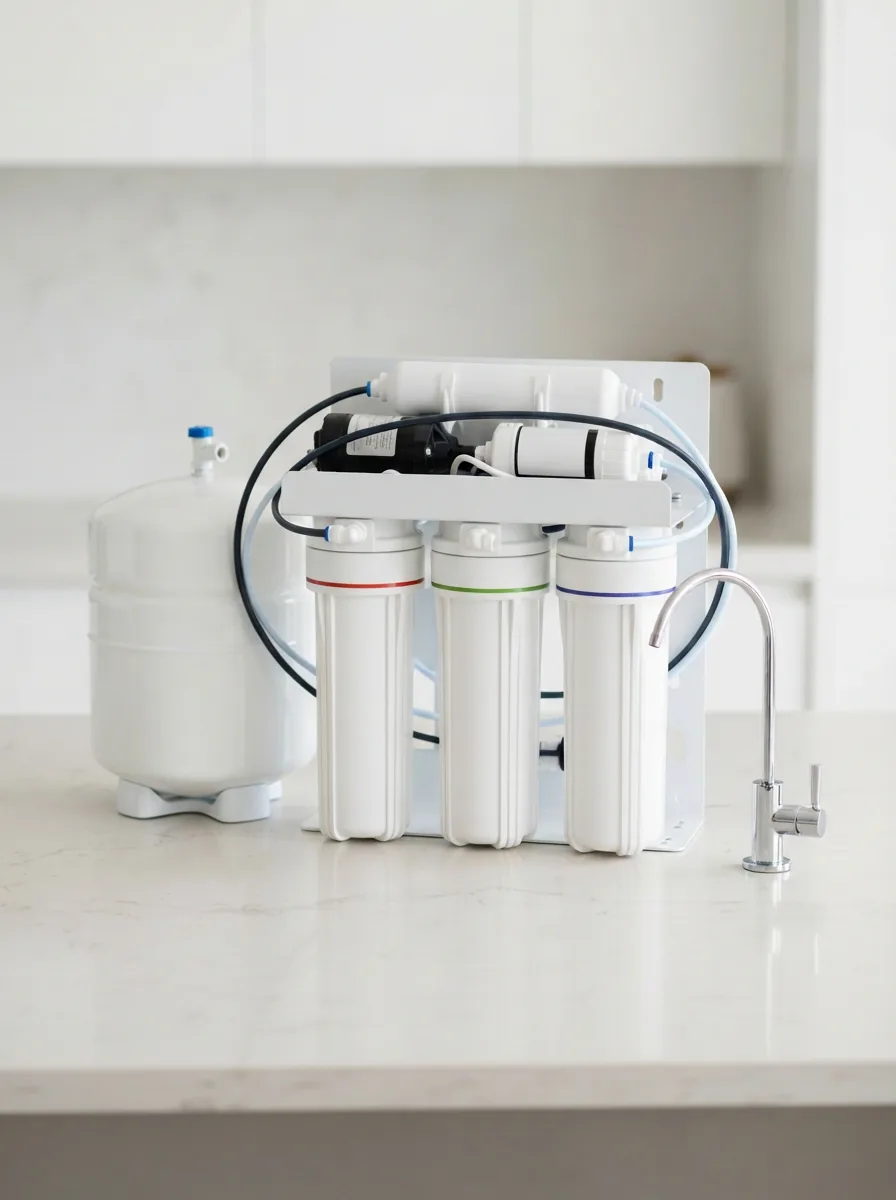
The iSpring RCC7AK six-stage under-sink reverse osmosis system with white filter housings, storage tank, tubing and faucet on a light countertop

iSpring Rcc7ak

The iSpring RCC7AK is an NSF/ANSI 58 certified 6-stage reverse osmosis system that remineralizes water for superb-tasting drinking water.